
large led bathroom mirror
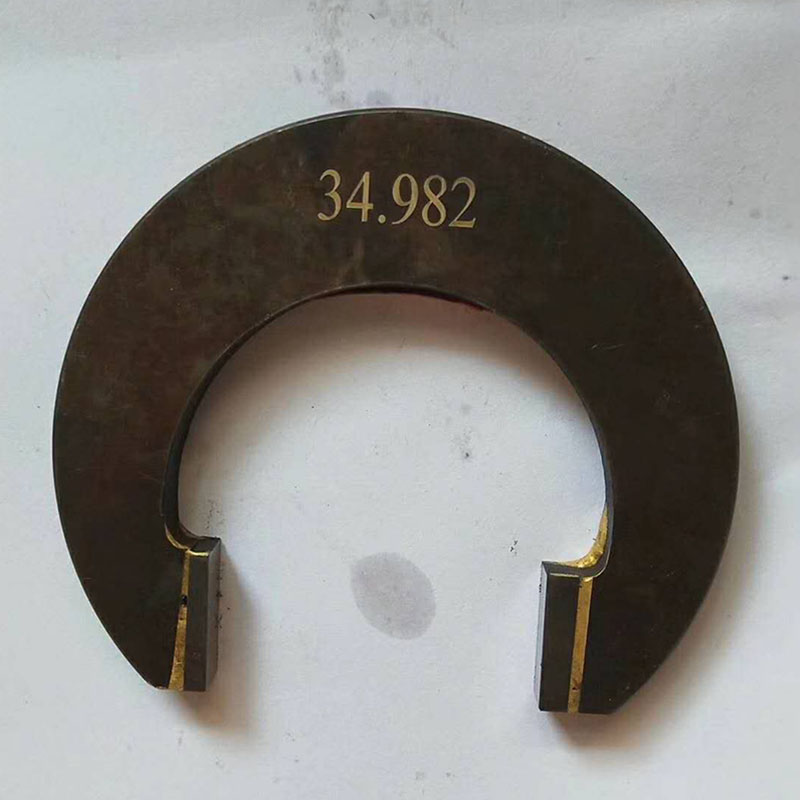
Understanding Ring Gage Class A Comprehensive Overview In the world of precision measurement and quality control, ring gauges, also known as ring gages, play a critical role. These tools are essential for verifying the dimensions of cylindrical objects, especially holes and shafts. The classification of ring gages, particularly by the ring gage class, is a vital topic for engineers, machinists, and quality assurance professionals. This article delves into the significance, types, and applications of ring gage classes, providing a comprehensive understanding of their importance in manufacturing and quality control. What is a Ring Gage? A ring gage is a mechanical device primarily used to check the internal dimensions of a hole or the external diameter of a shaft. It is designed as a circular ring with an internal diameter that is precisely machined to predetermined specifications. By placing the gage over the part being measured, operators can easily determine if the part meets the required tolerance levels. Ring gages are manufactured to high accuracy and are often made from hardened tool steel or other durable materials that resist wear over time. They can assess fits such as Go and No-Go conditions, enabling quick and effective quality checks. Ring Gage Classifications Ring gages are classified based on their tolerance levels and intended use, significantly influencing manufacturing processes. Understanding these classifications is crucial for selecting the appropriate gage for a specific application. The primary classes of ring gauges are 1. Class X (or 0) This class represents the highest level of precision. Ring gages in this category are used for critical components where the utmost accuracy is required . Examples include aerospace and medical instrument manufacturing, where even small deviations can lead to failure or safety issues. ring gage class 2. Class Y (or 1) This class allows for slightly larger tolerances than Class X. While still representing high accuracy, Class Y is suitable for precision parts in automotive or machinery applications where exacting standards are important but slight variations may be acceptable. 3. Class Z (or 2) This classification is typically used for parts that do not require the extreme precision of Class X or Y. Class Z gages are often used in general manufacturing practices, where tolerances can be looser, allowing for cost-effective production. 4. Special Classes In addition to the standard classifications, manufacturers can create special gages tailored to specific applications or materials. These gages might incorporate unique features or tolerances suitable for specialized processes. Applications of Ring Gages The applications of ring gages are vast and varied across industries. In automotive manufacturing, they are used to ensure that engine components fit properly together. In aerospace, they guarantee that critical parts are manufactured to stringent standards, directly affecting safety and performance. In the production of precision tools, ring gages help ensure reliability and functionality. Furthermore, ring gages are important in ensuring interchangability between parts, particularly in mass production environments. High-quality standards not only reduce waste but also increase customer satisfaction by delivering products that meet or exceed specifications. Conclusion In conclusion, understanding ring gage classes is essential for anyone involved in the manufacturing and quality control sectors. The precision offered by ring gages is foundational to ensuring that parts fit correctly and function as intended. By selecting the appropriate class of ring gage, professionals can guarantee that they are meeting industry standards and fostering an efficient manufacturing process. The integration of ring gages into quality assurance measures not only streamlines production but also affirms the commitment to excellence in engineering and design.
about
large led bathroom mirror
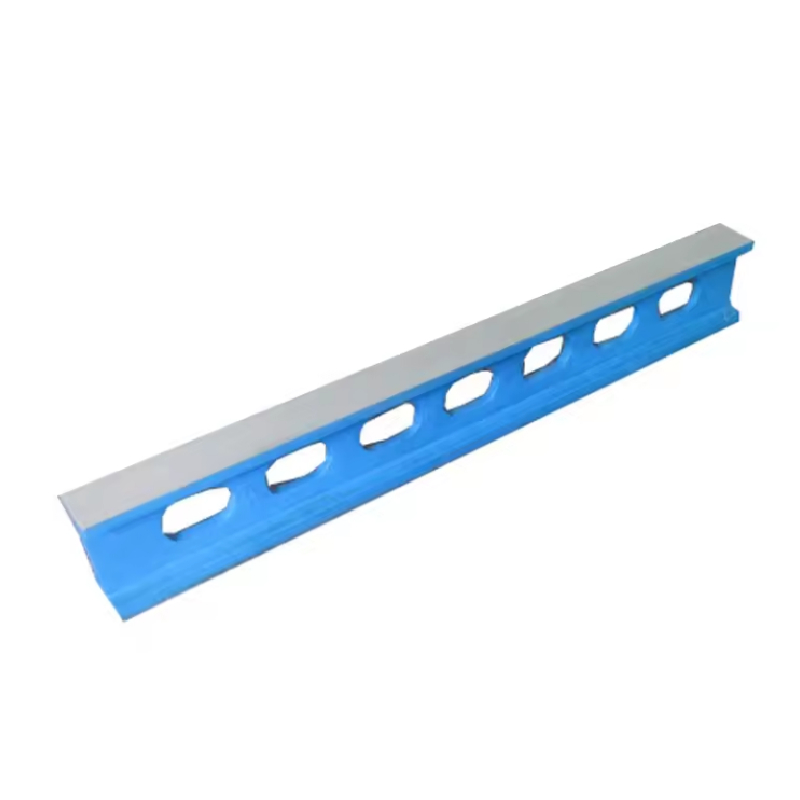
The Right Angle Ruler An Essential Tool for Sewing Sewing is a beloved craft that combines art and practicality, allowing enthusiasts to create everything from clothing to home decor. Among the array of tools available to seamstresses, the right angle ruler, often overlooked, stands out as an essential implement that enhances precision and efficiency in sewing projects. Understanding the Right Angle Ruler The right angle ruler, also known as a right-angle triangle ruler or square ruler, features two arms that form a perfect 90-degree angle. This simple yet effective design is immensely useful in ensuring that measurements are accurate and that angles are sharp. Typically made from durable materials like plastic or metal, the right angle ruler is lightweight and easy to handle, making it a staple in any sewing toolkit. Importance of Precision in Sewing Precision is critical in sewing. Whether you’re cutting fabric, marking hemlines, or attaching seams, every measurement counts. A small error can result in an uneven hem, a misaligned seam, or, worse, the need to start a project over from scratch. The right angle ruler allows for precise measurements and straight lines, helping to eliminate guesswork and achieve professional-looking results. Versatile Applications The uses of the right angle ruler in sewing are vast. Here are several ways it can enhance your sewing projects 1. Cutting Patterns When laying out patterns on fabric, the right angle ruler helps ensure that your cuts are straight and accurately measured. By aligning the ruler with the pattern edges, you can easily create straight lines that follow the grain of the fabric. 2. Marking Hemlines Whether you're marking a hem on a garment or creating a quilt, the right angle ruler can help you achieve consistent and even hems. Simply measure the desired length from the edge and use the ruler to draw a straight line for cutting or sewing. 3. Creating Block Designs For quilters, the right angle ruler is invaluable when piecing together block designs. It helps in positioning blocks accurately and ensuring that corners align perfectly, which is crucial for quilt aesthetics. 4. Drafting If you're designing your own patterns, the right angle ruler makes drafting easier . It ensures that your angles are correct, which is particularly important for structured garments that require precision in shaping. right angle ruler for sewing 5. Checking Squareness When constructing larger projects, like quilts or garments, maintaining squareness is essential. The right angle ruler can be used to check corners and ensure everything is aligned correctly before moving on to the next step. Tips for Using a Right Angle Ruler 1. Choose the Right Material Depending on your project, opt for a lightweight plastic ruler for general use or a sturdier metal ruler for heavy-duty tasks. 2. Use a Cutting Mat When cutting fabric, place a cutting mat underneath to protect surfaces and improve accuracy. 3. Hold Firmly Always hold the ruler firmly in place when cutting to avoid slippage, which can result in uneven cuts. 4. Practice Alignment Take a moment to ensure that your ruler is aligned correctly with the fabric grain or pattern before marking or cutting. 5. Keep It Clean Regularly clean the ruler to ensure there is no residue that could transfer onto your fabric during use. The Right Angle Ruler in Action Imagine embarking on a new sewing project, perhaps a quilt for a loved one. You lay out your fabric, confident in the choices you've made for colors and patterns. As you begin to cut, the right angle ruler becomes your trusted companion. It helps you draft the perfect geometric shapes, ensures that your cuts are straight, and provides the foundation for crisp, clean lines. As you sew, the right angle ruler guides you with each seam and hem, watching over you to prevent any mistakes. When the project is complete, your quilt – even in its complexity – will lie flat and look immaculate, a testament to the power of using the right tools. Conclusion The right angle ruler is more than just a tool; it’s an ally in your sewing journey. Embracing this simple yet powerful instrument can elevate your skills and enhance the quality of your work. Whether you're a seasoned professional or a passionate beginner, the right angle ruler is a must-have in your sewing toolkit, ensuring that every project is a success.
-

High quality industrial productsagement

High quality industrial products
View Details -

Meet the diverse needs of customers

Meet the diverse needs of customers
View Details -

Strict quality control

Strict quality control
View Details -

Top raw materials

Top raw materials
View Details -

Trusted supplier

Trusted supplier
View Details
Our application
news and information

Vibrationspads
Vibrationsdämpfer Die Bedeutung von Vibrationspads in verschiedenen Anwendungen In der heutigen Welt
Zinc Coated Half Saddle Pipe Clamp for Secure and Reliable Pipe Mounting Solutions
Understanding Zinc-Plated Half Saddle Pipe Clamps A Comprehensive Overview In various industrial and

V Frames - Innovative Video Frame Solutions for Your Visual Needs
Understanding V-Frames in Video Production In the world of video production, the term V-frames refer
 English